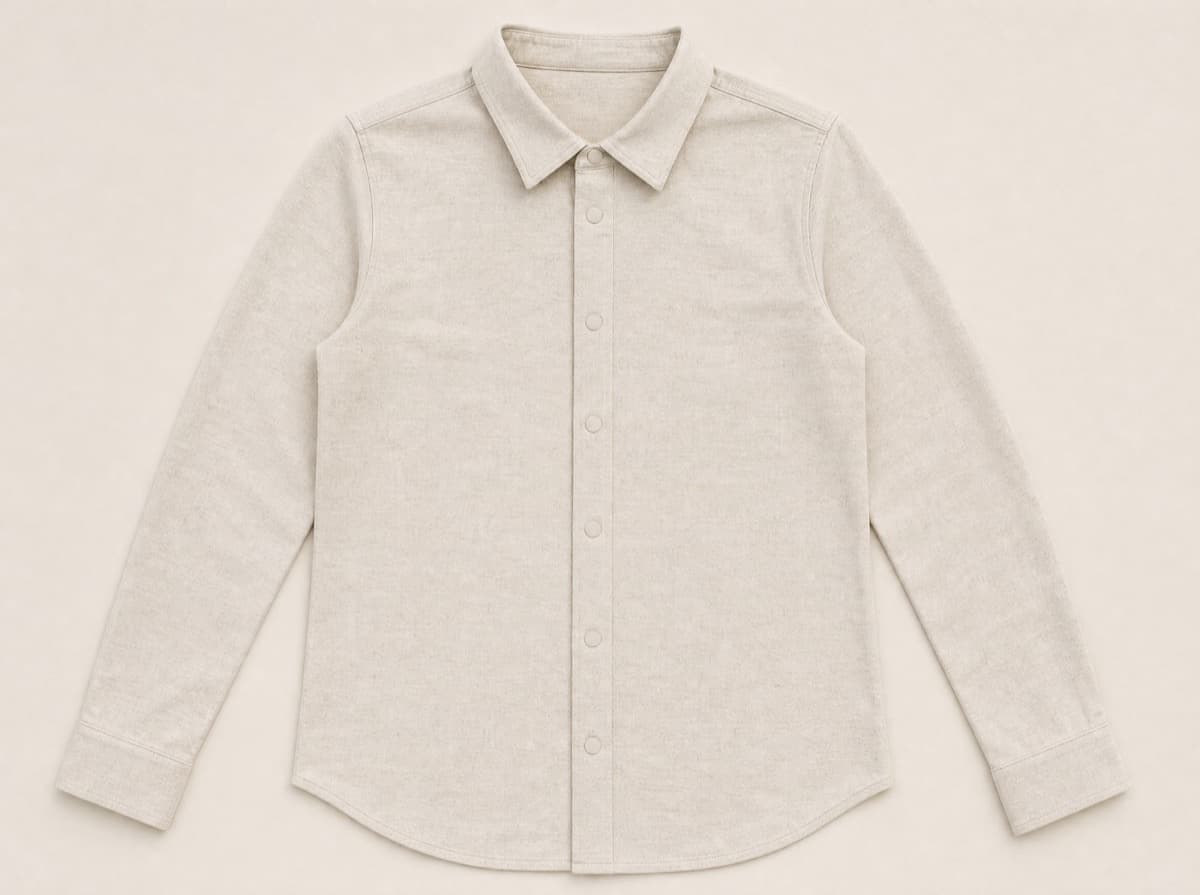
 Contains magnets
B-01
Magnet Shirt Light
A shirt front held by fabric-covered magnets instead of buttons. Closing force: light.
- Opens partly
- Force: Light
- One hand: Yes
Magnetic · Can be put on seated
USD 68.00
All prices in US dollars (USD)
Free standard shipping on orders over USD 120.00
Adaptive everyday clothing
It opens flat at both sides.
The closures need light force, and most people can do it with one hand.
We do not ask about your diagnosis. We ask which movement is difficult, and we tell you what each garment does.
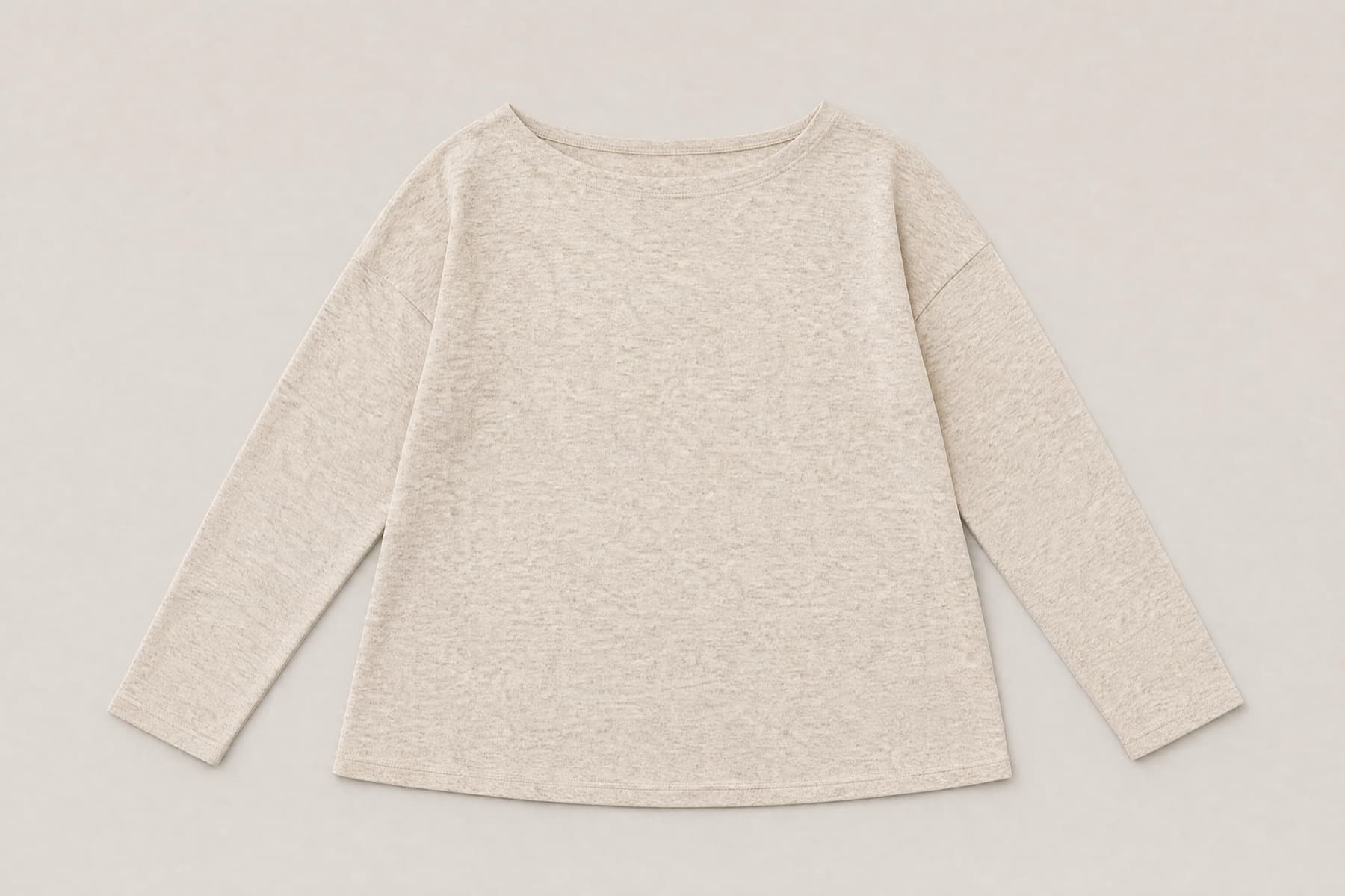
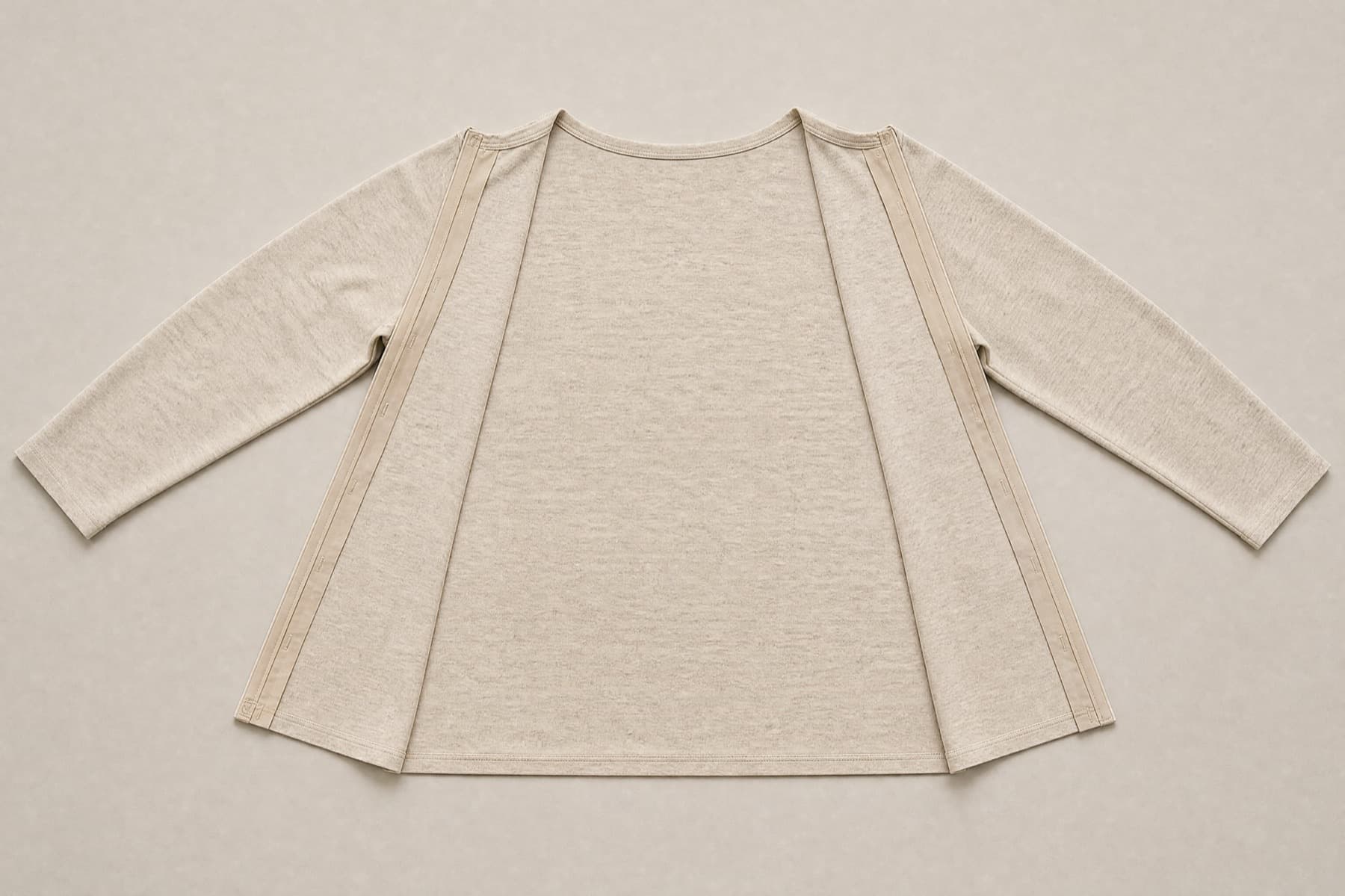
Closed. Reads as an ordinary top.
Six seconds. It does not start on its own, it has no sound, and everything it shows is written out beside it.
Six seconds, no sound, nothing plays until you press play.
Not by diagnosis, not by condition, not by who you are. The only question this catalogue asks is which movement is difficult, and the answer decides what you see.
Browse every openingThere is no filter for a diagnosis on this site, because there is no such field in our system to filter on.
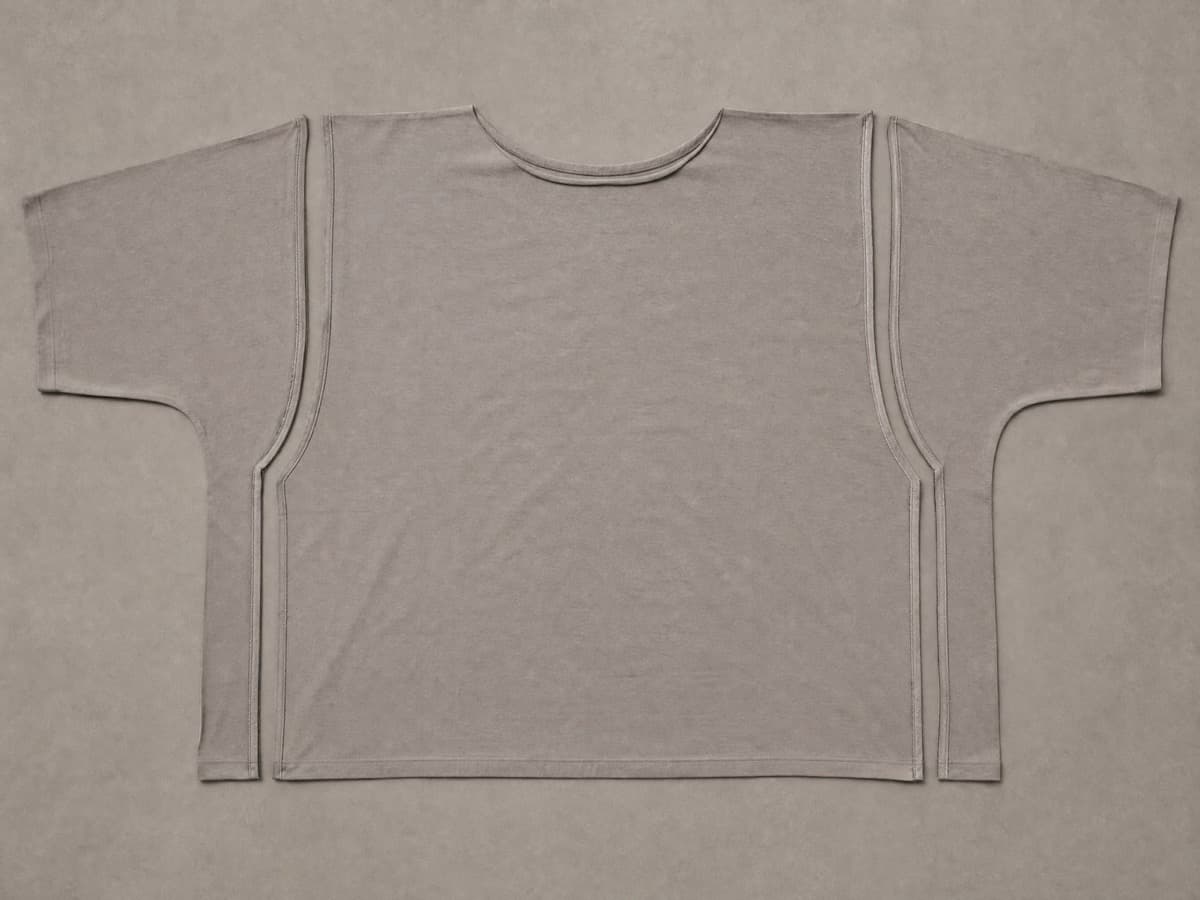
One side seam or both, from hem to cuff. The ones marked lays flat open right out.
21 garments
Down the centre back. Ordinary from the front, open from collar to hem behind.
5 garments
The shoulder seam unfastens so the front folds down. Nothing goes over the head.
3 garments
Ordinary construction, reshaped pattern. Cut for sitting rather than standing.
9 garments
Every closure on this site is rated light, medium or two hands. We rate the ones that need two hands as needing two hands. It is the least useful thing to be vague about.
Light
Pulls together on its own from about 8 mm apart. A finger and a thumb are enough.
Medium
Holds under a coat or a lap belt. Separating it takes a deliberate pull.
Two hands
One hand holds the fabric while the other works the closure. We mark these clearly.
One from each way a garment can open. Every card states the opening, the closing force and whether one hand is enough, before you click anything.
Contains magnetsB-01
A shirt front held by fabric-covered magnets instead of buttons. Closing force: light.
Magnetic · Can be put on seated
USD 68.00
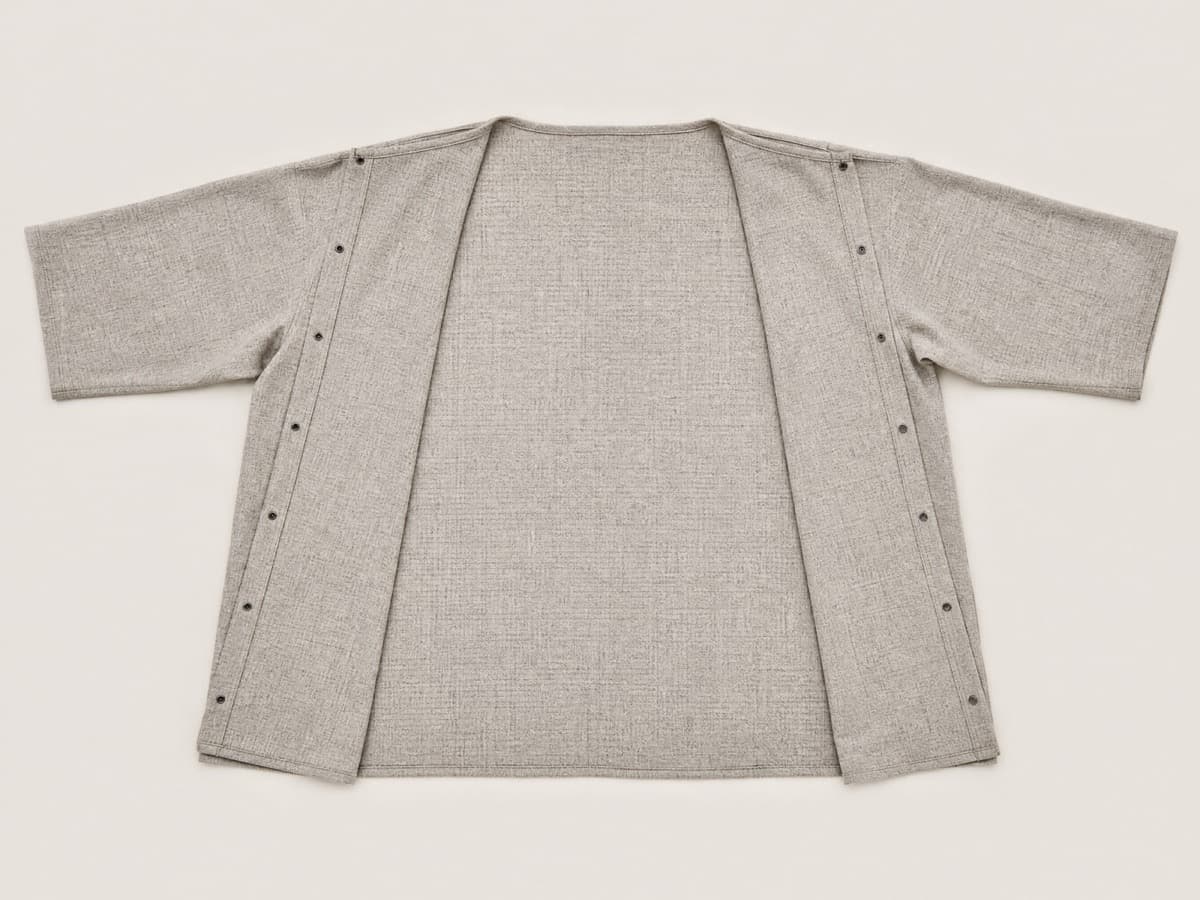
C-02
Both side seams open the full length. The top lays completely flat, so it can be laid down and closed around you.
Flat ties · Can be put on seated
USD 78.00
 Contains magnets
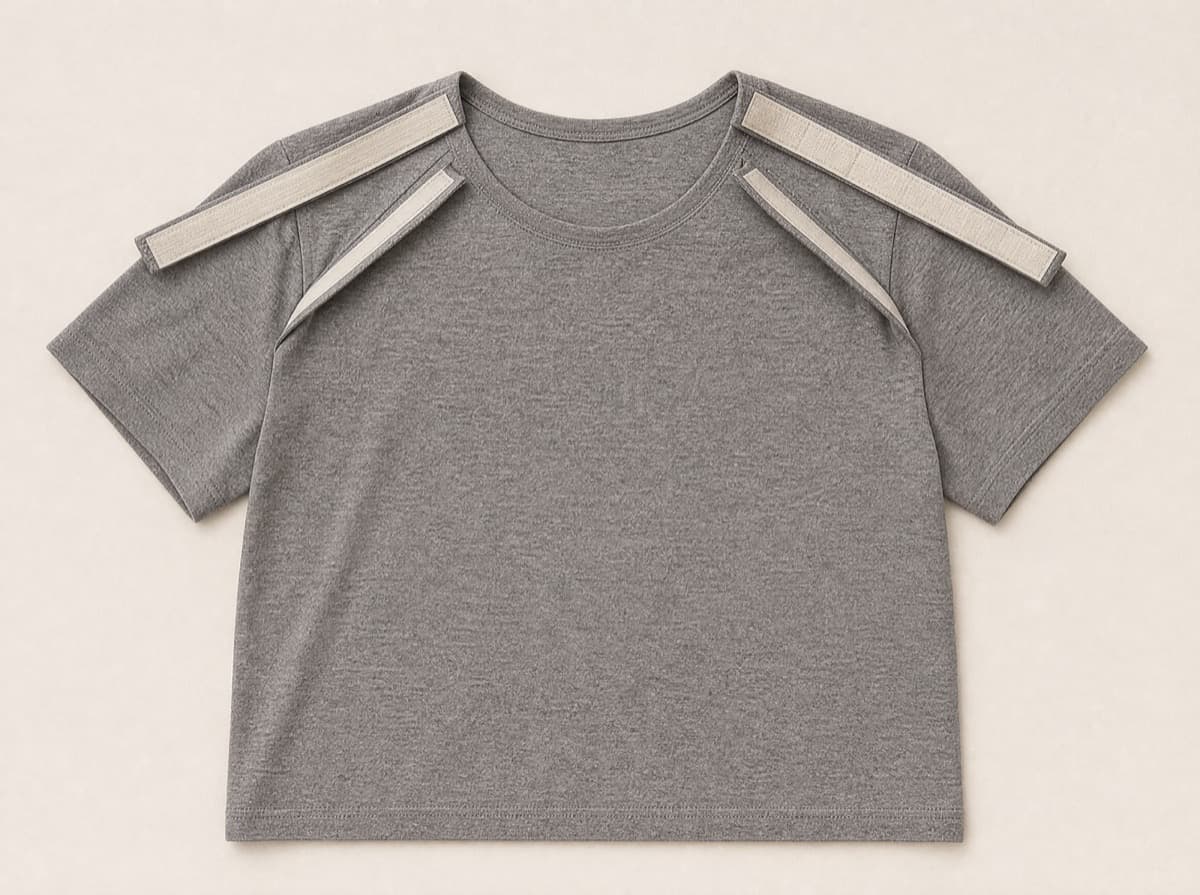
D-03
Both shoulder seams open, so the front panel folds down and the shirt goes on without any arm being raised.
Magnetic · Can be put on seated
USD 62.00
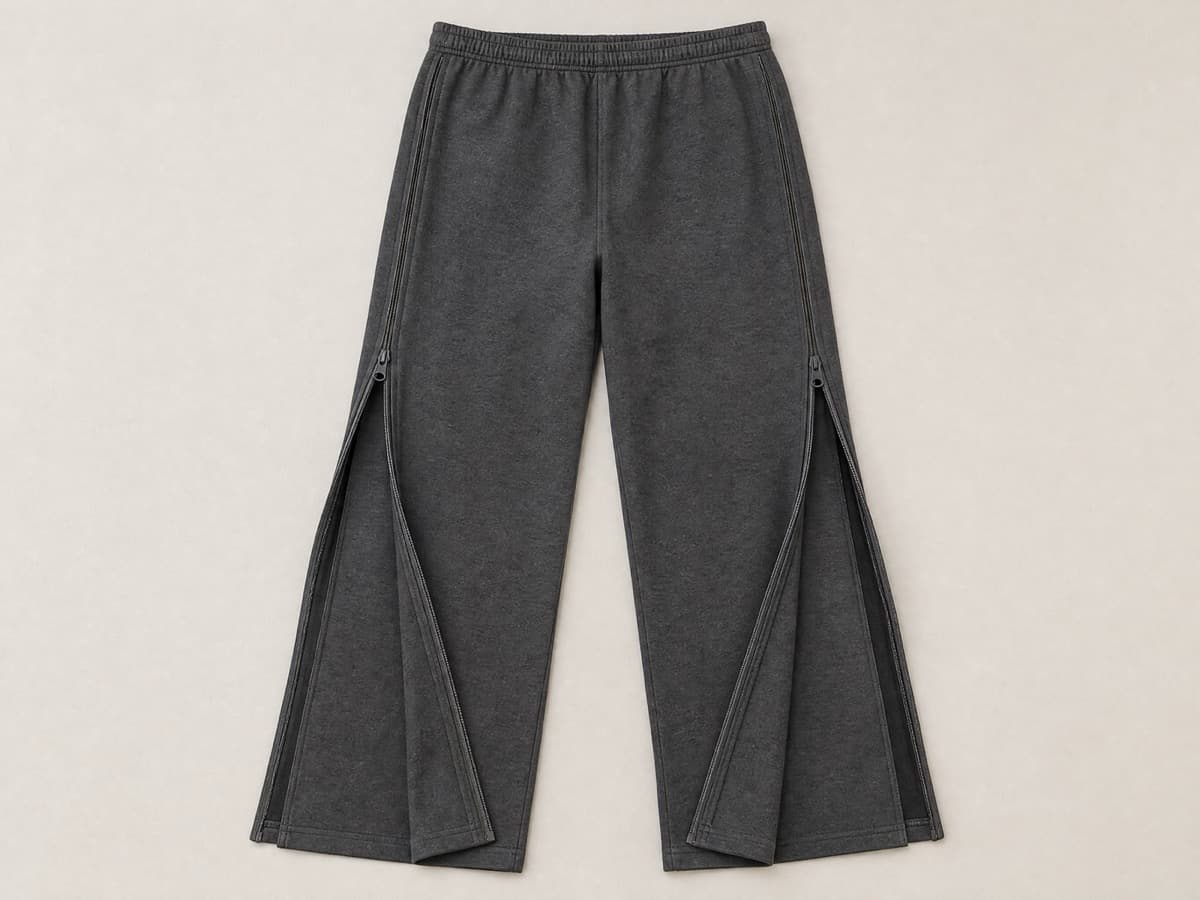
A-02
Full-length zips down both outer seams. Each leg opens completely, so the trousers can be laid under you rather than pulled on.
Loop zip · Can be put on seated
USD 68.00
 Contains magnets
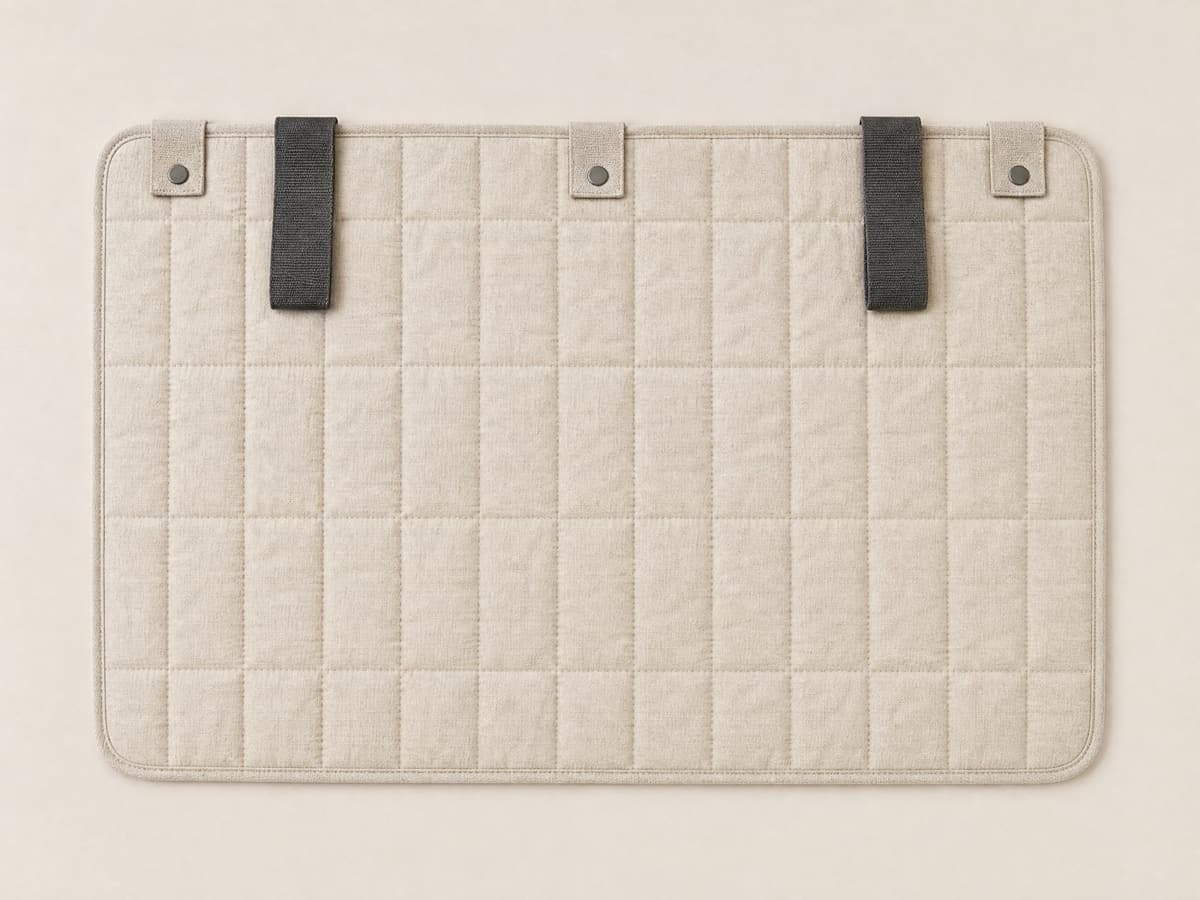
E-06
A quilted cover for the legs with flat webbing straps, so it stays put instead of sliding off.
Magnetic · Can be put on seated
USD 98.00
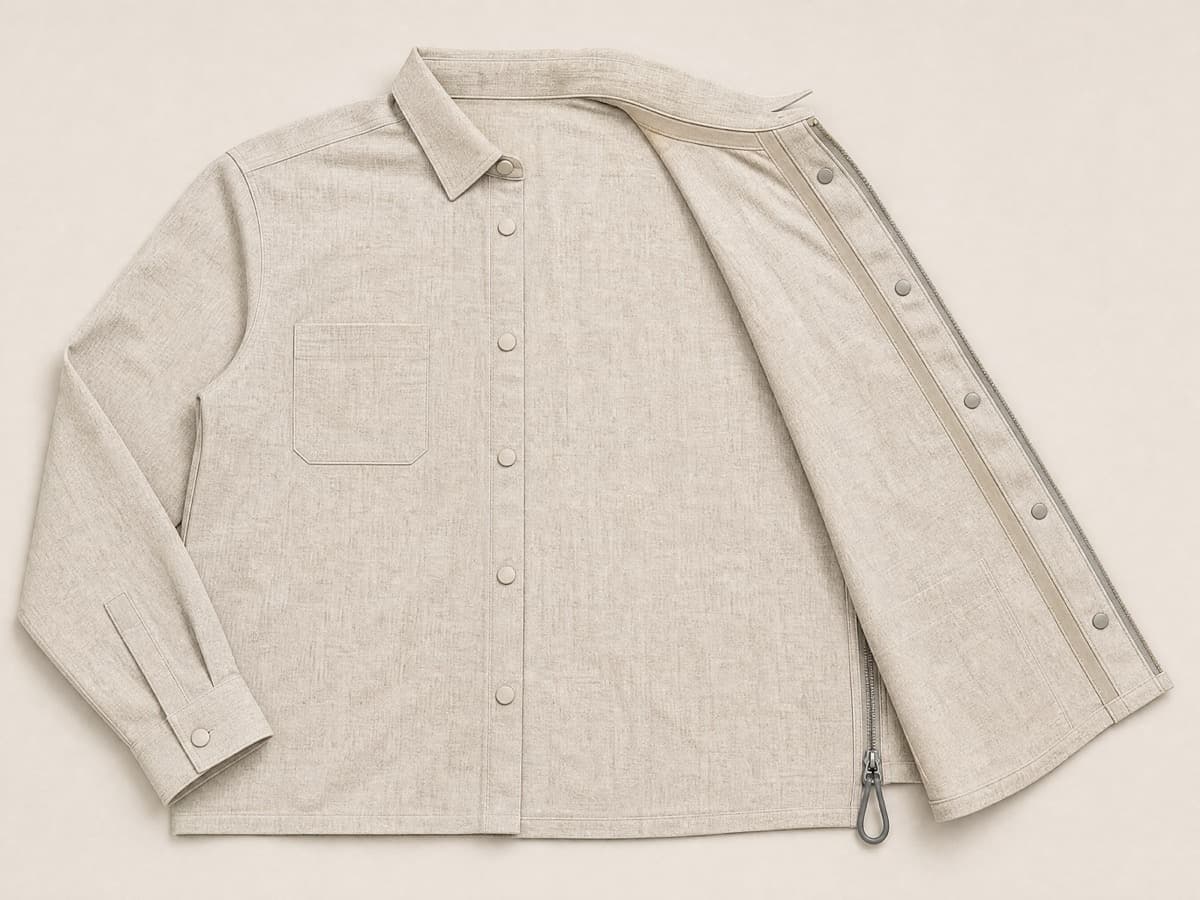 Contains magnets
B-08
Magnets down the front, an oversized loop zip at one side, and a side seam that opens the whole garment out.
Magnetic · Can be put on seated
USD 142.00
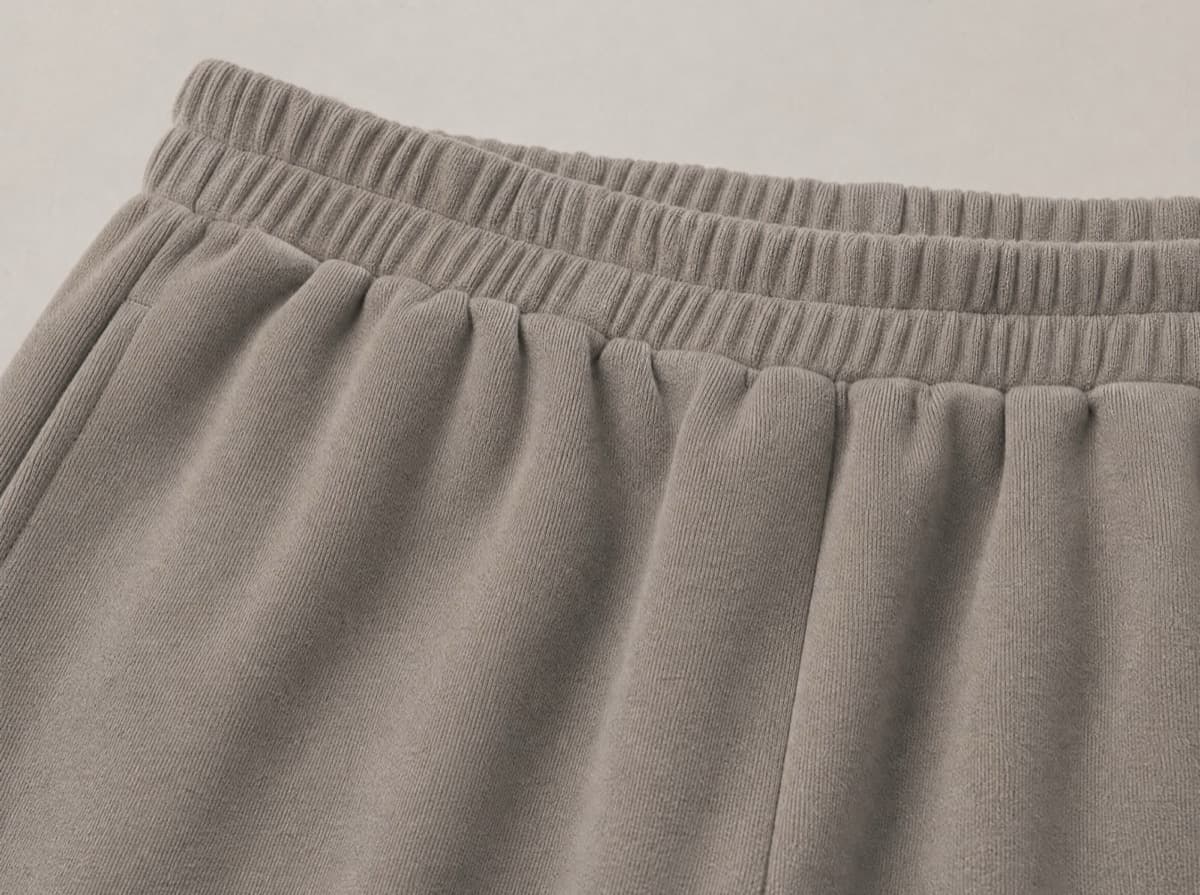
A seated waist is not a standing waist, and a seated inseam is shorter than the one on a standard size chart. Every size table on this site is taken sitting, and the method is written out on each product page.
How to measureStandard cut
Seated cut
Seated waist
Sit down first. Put the tape where the waistband will actually sit and measure right round. Sitting usually adds a few centimetres compared with standing.
Seated back length
Sit upright. Measure down the spine from the bone at the base of the neck to the seat of the chair. This sets how long the back of a top needs to be.
Seated inseam
Sit with the knee bent as it normally rests. Measure from the crease at the top of the inner thigh to the ankle bone. This is shorter than a standing inseam.
Four questions. All four are about movement. None of them is about you.
We do not ask for a diagnosis, a condition or a disability type, and there is no field in our system to store one. Your answers stay in this browser session and are never attached to an account.
Start the four questions01
When you get dressed, are you usually
Sitting · Standing · Lying down · It varies
02
Raising your arms over your head is
Fine · Hard work · Not possible
03
Pinching something small, like a button
Fine · Hard work · Not possible
04
Is there someone helping you
I dress myself · Sometimes · Usually
No line is named after a diagnosis or a body. Each one answers a question about getting dressed.
Line A
Do you put your clothes on sitting down?
Cut for sitting. The back is longer, the front is shorter, and there is no bulk at the waist when you are seated.
Line B
Is pinching a button or a zip pull difficult?
Magnetic closures and oversized loop zip pulls instead of buttons and hooks. Every closing force on this line is listed as light or medium.
Line C
Would it help if the garment opened right out?
Opens along the side seams or down the centre back, far enough to lay the garment flat and put it on without lifting or rolling.
Line D
Is raising your arms over your head hard?
Wide necklines and shoulder openings, so nothing has to go over your head. No closures at all on most of this line.
Line E
Does your coat bunch up when you sit?
Outer layers cut short at the front or shaped as capes, so fabric does not gather under you. Length against the chair is stated on every item.
Line F
Do you want the same closure on more than one item?
Two or three items that share a structure, priced below the sum of the single items. We do not mix closure types inside a set.
Tell us which movement is difficult and we will tell you which closure might work, or that we do not have one. We will not ask you about your diagnosis, because we do not need to know it.
Sidesnap sells everyday clothing. Our garments are not medical devices and are not assistive devices under any public scheme. We make no therapeutic, rehabilitative or preventive claims, and we do not suggest that any purchase can be reimbursed.